
How our work connected youth and frontline workers to six free counselling sessions
Written by: Chanté Salicksingh, Registered Social Worker
Scarborough will always be home.
It’s where I was raised, where I went to school from kindergarten through university (UTSC alum, proudly), and where my understanding of community, resilience, and care was shaped long before I ever became a therapist or clinic director. So when Journey Home Counselling Services was invited to show up in Scarborough communities throughout 2025, it wasn’t just a professional decision. It was personal heck-yes.
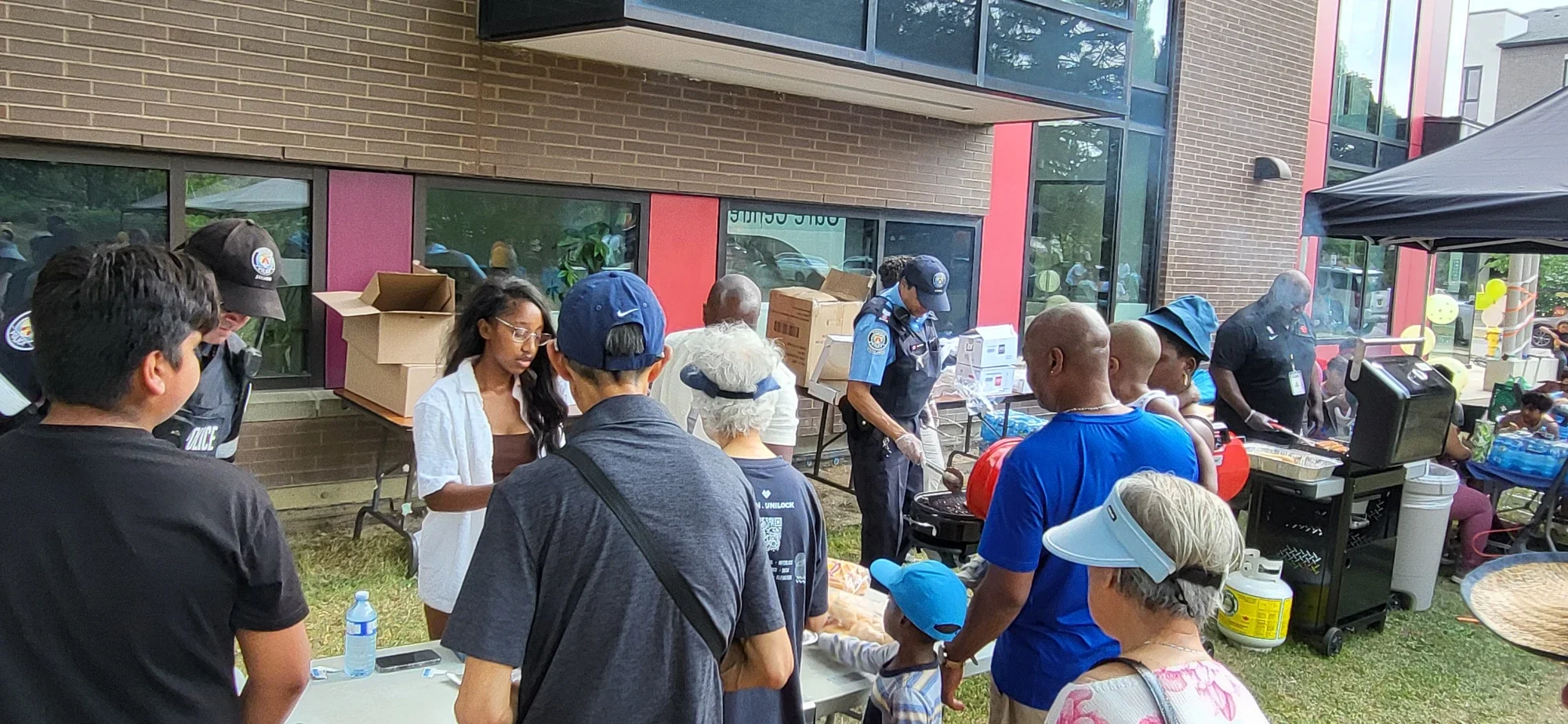
Why Showing Up in the Community Matters
Therapy can often feel distant, clinical, or simply “not for people like us.” We hear this regularly. That’s exactly why it felt important for Journey Home to be present in neighbourhoods across Scarborough, not just through a website or referral form, but face-to-face.
When community members met us at outreach events, they weren’t just meeting a logo or an intake process. They were meeting real people, therapists who grew up in Scarborough too. Social workers and psychotherapists who understand systems, advocacy, and lived experience. Humans who look like them, speak like them, and understand the realities they’re navigating.
That visibility matters. It shifts how therapy is perceived. It makes support feel more accessible and possible. It was important to me that people could meet the actual clinicians who would support them should they ever wish to explore therapy.
Where We Showed Up in 2025
Over the past year, the Journey Home Counselling Services team participated in community outreach across four Scarborough neighbourhoods:
● Orton Park — Community Fish Fry (attended by Chanté and Zoya)
● Chester Le — Annual Neighbourhood Fest (attended by Chanté and Zoya)
● Bay Mills — Stronger Together community event (attended by Zoya)
● Scarborough Civic Centre — Strong Networks, Strong Neighbourhoods Summit (attended by Zoya and Zaamilah)
Each space brought a different feel, new conversations, varying needs, and eye-opening stories — but the same underlying truth: the need for accessible, culturally responsive mental health support is real and present.
What We Heard From the Community
People came with thoughtful questions. They asked about therapy, spoke about their children, about relationships, and about experiences they had carried quietly for years. Many were surprised — and genuinely appreciative — that the owner of the clinic was present alongside the team, listening and engaging directly.
Some shared stories of violence they had witnessed firsthand. Others spoke about the ongoing effects of living in communities where safety had been disrupted: anxiety, hypervigilance, and fear of simply walking through their neighbourhoods.
It’s important to name that vicarious trauma counts. Being indirectly impacted by community violence still affects a person’s nervous system, sense of safety, and emotional wellbeing.
Access to Care Through a City of Toronto Partnership
A key part of our outreach work has been connecting community members to up to six free counselling sessions through a partnership Journey Home has between the City of Toronto and The Community Healing Project (CHP).
This initiative exists to reduce barriers to care for those impacted by community violence while maintaining dignity, choice, and quality of service.
To be eligible, individuals must:
● Be 12–29 years old, living in Toronto, and impacted directly or indirectly by community violence, or
● Be a frontline worker working in Toronto who has been impacted by community violence
Community violence includes direct experiences such as shootings, stabbings, or swarming, but also indirect exposure: witnessing incidents, living with chronic fear, or navigating unsafe environments over time.
What makes this program especially meaningful is that although sessions are free, choice is still preserved. Clients are able to connect with a clinician they feel comfortable with, including someone who reflects their lived or cultural experience. Removing cost as a barrier without removing autonomy is intentional.
A lot can begin in six sessions. For many, it’s the first time they’ve spoken openly about what they’ve lived through.
Why Scarborough Deserves This Work
Scarborough is often misunderstood. It carries a reputation that doesn’t reflect the full truth of the community, one filled with families, culture, perseverance, and people doing their best every day.
These neighbourhoods deserve access to high-quality mental health care that meets them where they are.
As social workers, advocacy and community presence are part of our ethical responsibility. Outreach allows us to build trust, explain therapy in real terms, and connect with people in ways a website simply can’t.
A Team That Makes This Possible
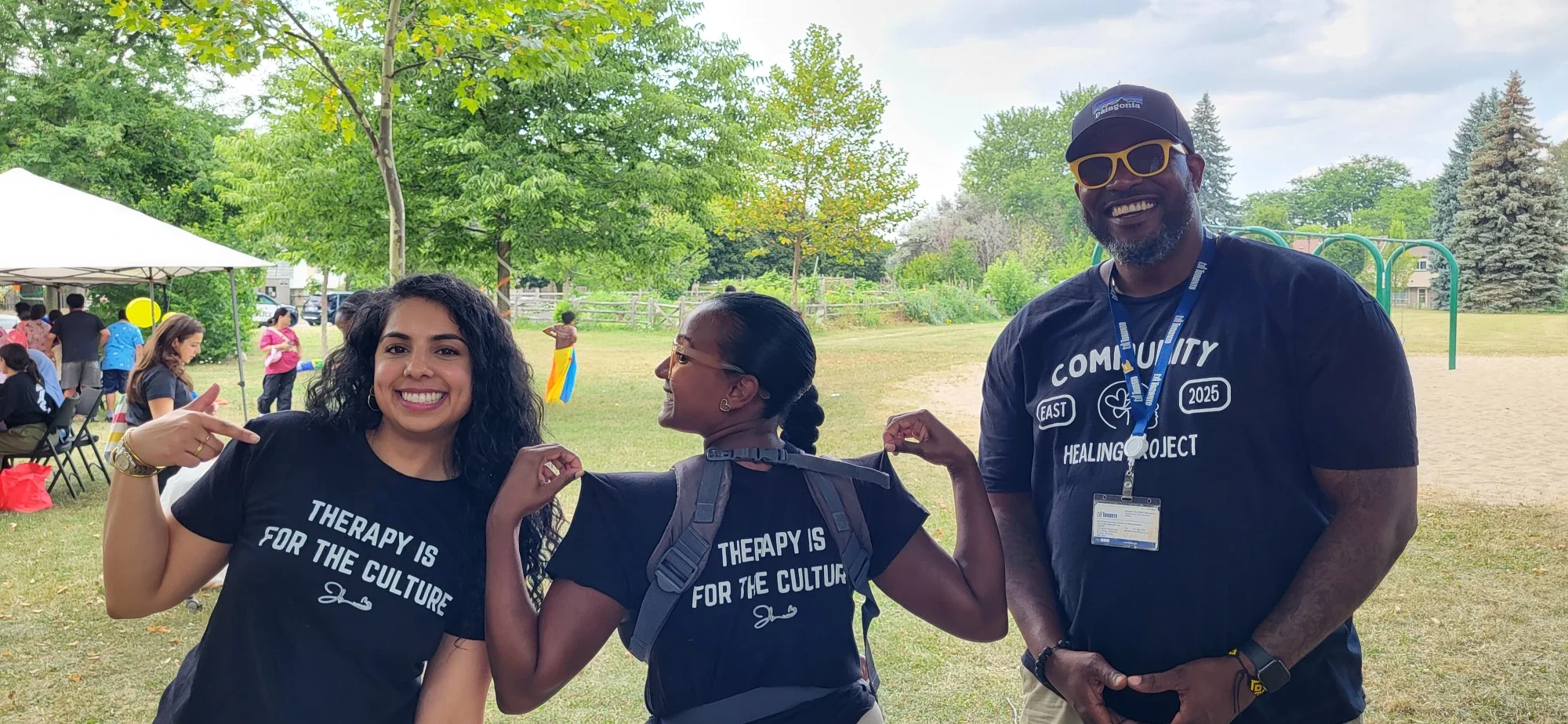
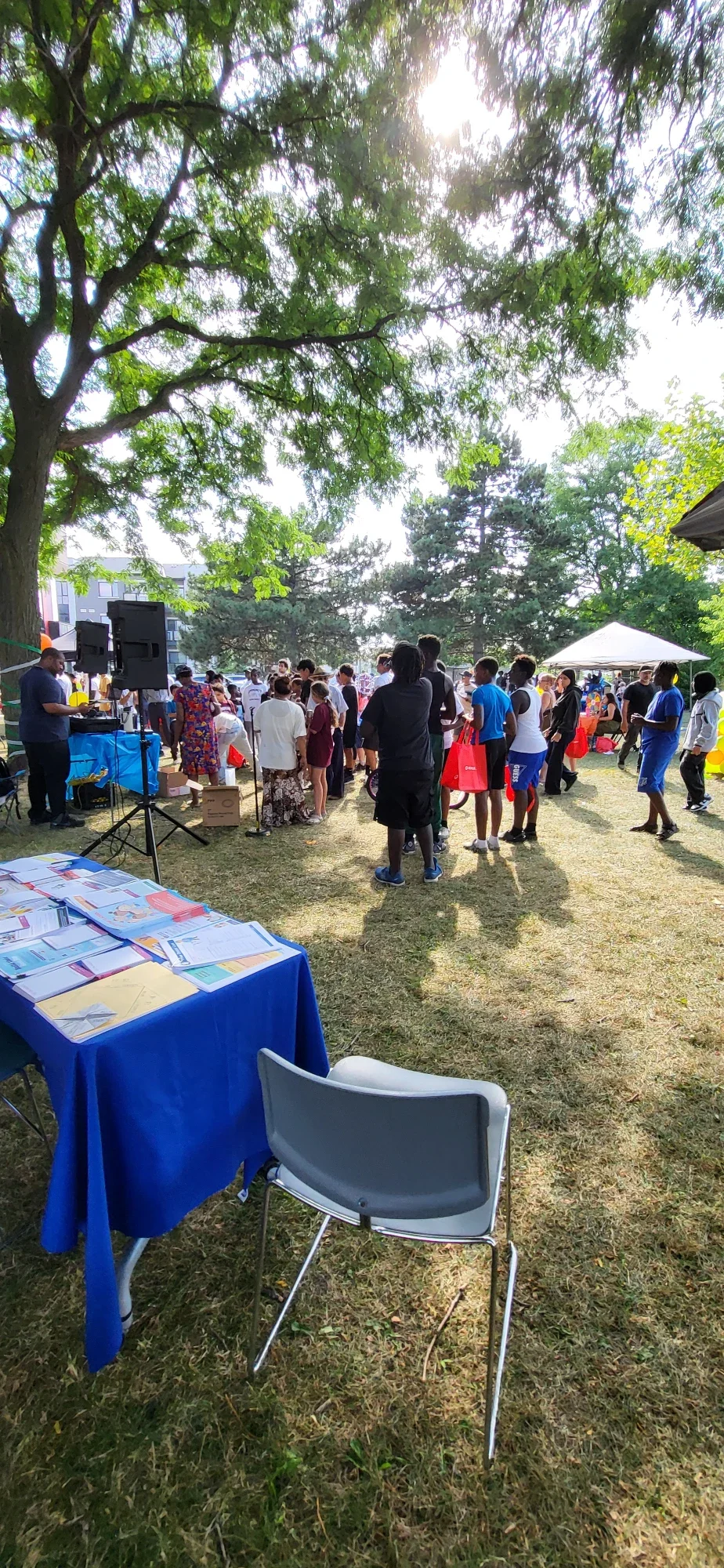
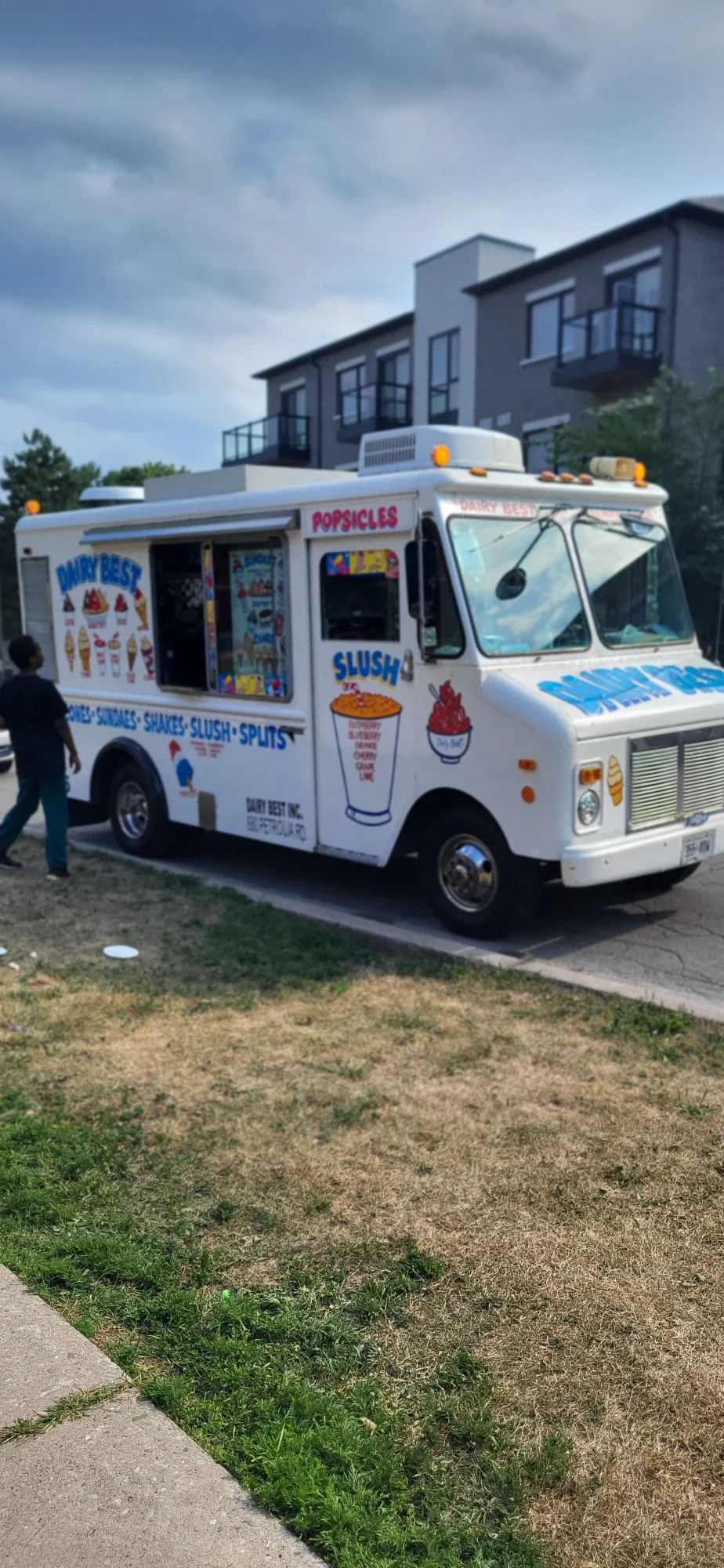
One of the most consistent pieces of feedback we received was how approachable and relatable our team felt. That’s not accidental. Journey Home clinicians are down-to-earth. We lead with warmth, curiosity, and respect. Being present in community spaces only highlighted why we do this work well — people feel safe around us.
Looking Ahead
I hope that when people think of Journey Home, they remember us as a clinic that shows up. A team that genuinely cares. Professionals who want to see individuals, families, and communities thrive.
If you or someone you know may be eligible for these free therapy sessions, you can reach out directly by emailing:
info@journeyhomecounselling.com
Subject line: 6 Free Counselling Sessions – CHP (mention this blog)
Even if you’re unsure about eligibility, we will clarify and guide you on next steps. Healing doesn’t have to feel out of reach. Sometimes, it starts with a conversation at a community table.